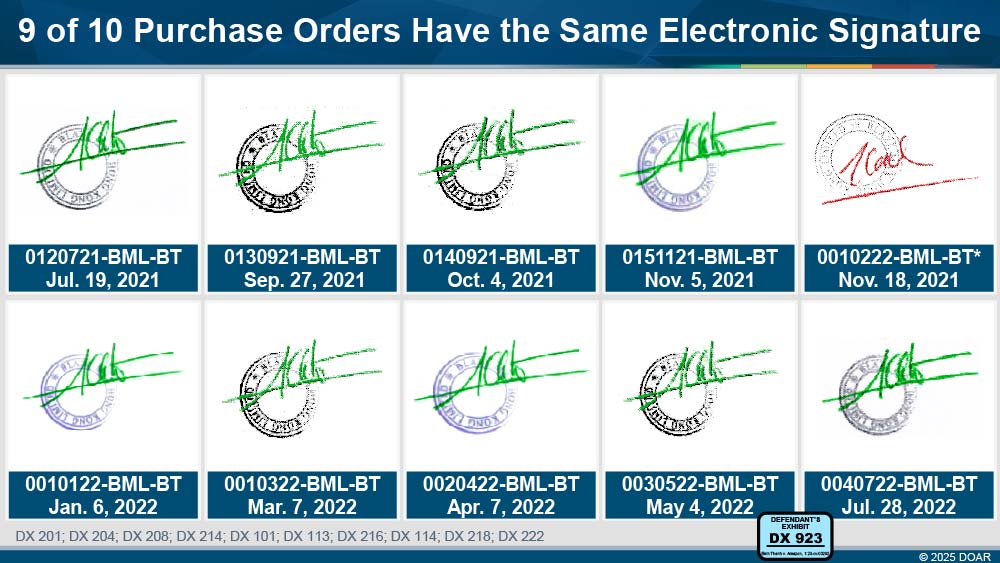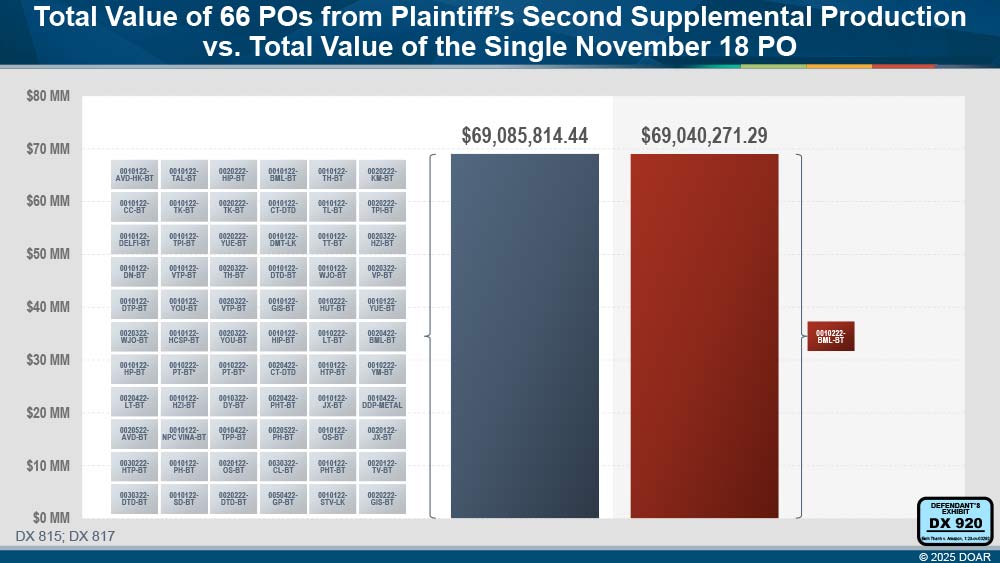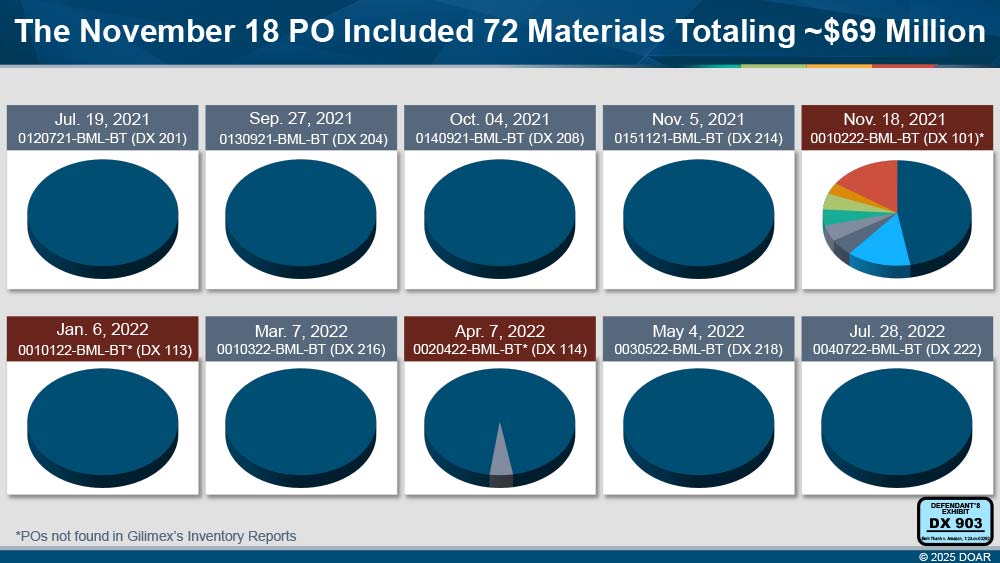
A federal court dismissed a supplier’s $840 million lawsuit against Amazon after finding that the plaintiff had committed fraud on the court by submitting fabricated evidence in support of its damages claims. The decision followed an evidentiary hearing ordered by Judge Lorna G. Schofield after Amazon’s trial team uncovered evidence that Gilimex Inc., a former supplier, had submitted fabricated documents central to its claims.
The lawsuit arose from Gilimex’s allegations that Amazon encouraged the company to significantly expand its manufacturing capacity during the COVID-19 pandemic before sharply reducing orders, leaving it with excess inventory, unused production capacity, and substantial financial losses. As the case neared trial, however, the focus shifted to the authenticity of evidence supporting Gilimex’s claimed damages. Judge Schofield removed the matter from the trial calendar and ordered an evidentiary hearing to determine whether Gilimex had committed fraud on the court.
DOAR supported the defense team throughout the evidentiary hearing by providing trial strategy support, graphics consulting and design, and evidence presentation services. Working closely with the trial team, DOAR developed demonstrative exhibits for the main argument and expert witness presentations that organized and presented evidence relating to the fabricated documents.