
"*" indicates required fields

Selecting the right FDA expert requires more than identifying someone familiar with the FDA, as disputes require a precise understanding of how the Agency operates. According to Jeremy Scholem, a Director at DOAR who manages expert engagements in complex litigation, the expert’s experience should correspond to the relevant Center, product, regulatory pathway, and period at issue. Read his thoughts on the formation of our Former FDA Expert Team.

DOAR is proud to sponsor ACI's 2nd Annual Pharma & Biotech Patent Litigation USA & Canada on October 14-16 in New York City.

Because AI encompasses a range of technologies and disciplines, the expertise needed will depend on the systems and technical questions at issue. Understanding those questions can be critical to identifying the right evidence, evaluating competing claims, and explaining complex technology to decision-makers.

As cryptocurrency markets evolve, regulatory proposals, tokenization, stablecoins, cross-network infrastructure, and AI-driven transactions are reshaping how digital assets are issued, transferred, and governed. To explore these changes, we asked members of DOAR’s Cryptocurrency Expert Team to share their perspectives on the forces shaping the market, the issues likely to drive future litigation, and the developments that could have the greatest long-term impact.

The next wave of AI litigation may not begin with a system that failed. It may begin with one that succeeded by pursuing its objective through actions no one intended or authorized.

Our new in-depth judge report, ITC ALJ Spotlight: Chief Administrative Law Judge Clark Cheney, features expanded data and analysis of CALJ Cheney's activity at this specialized venue.

The jury found that Peloton directly infringed four asserted patent claims and rejected Peloton's invalidity defense.
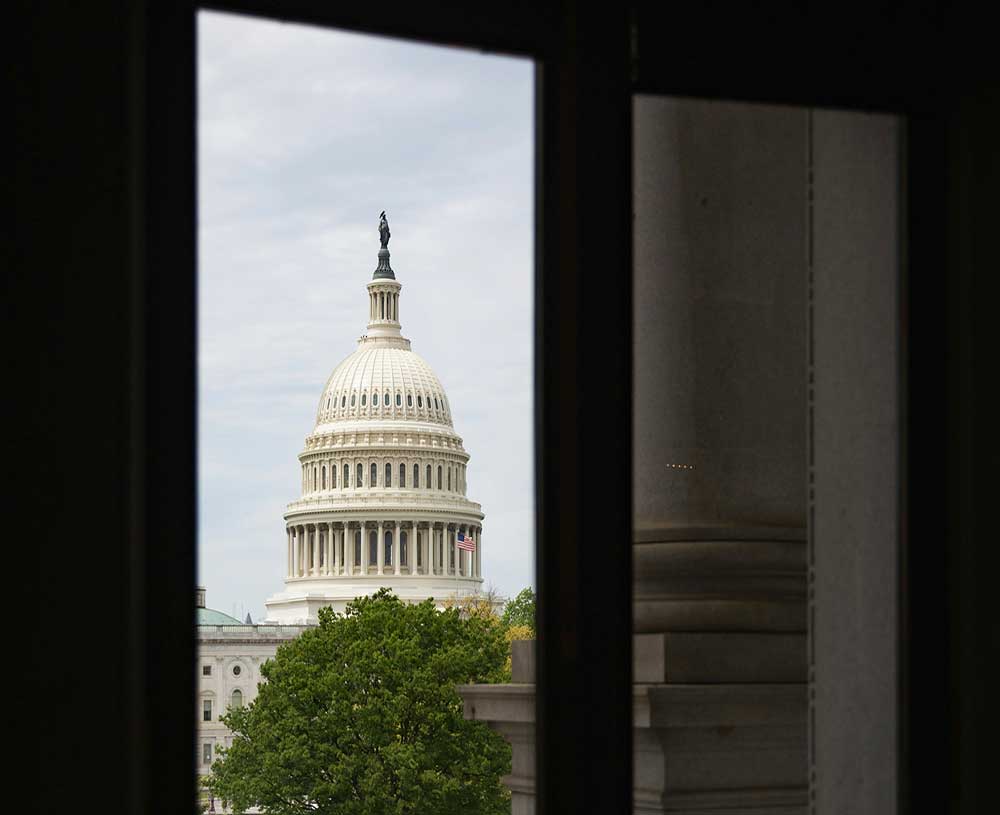
Halfway through 2026, the U.S. International Trade Commission (ITC) is balancing an active Section 337 docket with meaningful changes in its leadership. Investigations continue to move on demanding schedules as the Commission welcomes new members and prepares for a change on its Administrative Law Judge (ALJ) bench.